
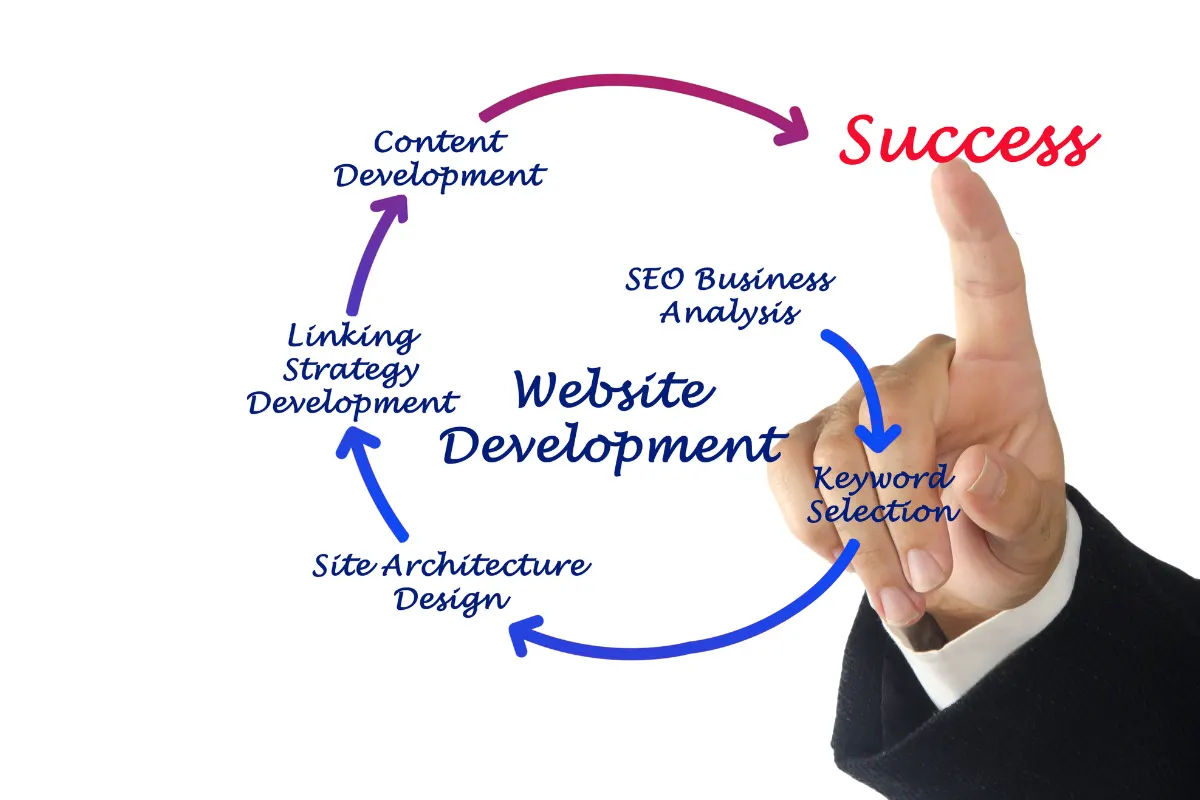
Website optimization for businesses is not a one-time task but an ongoing process that supports performance, clarity, and reliability over time. When a site is treated as a living system rather than a finished project, it becomes easier to adapt, improve, and support real business goals.
Website optimization for businesses is not about constant redesign. It is about maintaining alignment between the website, business goals, and how people actually use the site.
Why Websites Lose Effectiveness Over Time
A website reflects the business at the moment it was built. As services change, processes evolve, and customer expectations shift, that reflection becomes less accurate.
Without ongoing attention, content becomes unclear, navigation grows inconsistent, and performance issues accumulate. These changes often happen gradually, making them easy to overlook until results begin to decline.
This is one of the most common reasons websites stop supporting growth even when traffic remains steady.
Ongoing Website Optimization Supports Performance Improvement
Website performance affects how users experience the site and how efficiently it supports internal operations. Speed, reliability, and usability all play a role in whether visitors engage or leave.
Ongoing website optimization includes identifying friction points, addressing technical issues, and refining how pages load and function. These improvements compound over time.
Performance improvement is not about perfection. It is about removing barriers that slow down decision-making and engagement.
Ongoing optimization only works when it is anchored to a clear strategic foundation. Our pillar article on business website strategy explains how optimization fits into a larger system rather than functioning as a standalone task.
Maintaining a Business Website Requires Strategic Review
Maintaining a business website goes beyond software updates or visual refreshes. It requires periodic review of structure, messaging, and functionality.
As businesses grow, offerings become more nuanced. Websites that are not reviewed strategically often struggle to communicate that nuance clearly.
Regular review ensures the website continues to reflect current priorities rather than outdated assumptions.
Clarity Improves Through Iteration, Not One-Time Planning
Clarity is rarely achieved in a single build. It develops through use, feedback, and refinement.
Ongoing optimization allows businesses to adjust language, layouts, and calls to action based on how users actually interact with the site.
Over time, this creates a more intuitive experience that supports both visitors and internal teams.
Website Growth Strategy Depends on Long-Term Alignment
Website growth strategy focuses on how the site supports broader business objectives. This includes lead generation, client education, onboarding, and operational efficiency.
When optimization is approached strategically, the website evolves alongside the business rather than falling behind it.
This alignment reduces the need for large-scale rebuilds and helps maintain consistency across channels.
Why Optimization Is a Business Decision, Not a Marketing Task
Website optimization is often treated as a marketing responsibility, but its impact extends beyond marketing metrics.
Changes to structure, clarity, and systems affect how teams work, how clients communicate, and how decisions are made.
Approaching optimization as a business decision ensures changes support real operational needs rather than surface-level trends.
How Website Optimization for Businesses Supports Long-Term Results
Long-term results come from consistency and adaptability. Websites that are reviewed, refined, and aligned over time remain useful rather than becoming obstacles.
Ongoing optimization creates stability by addressing issues early and reinforcing what works.
For businesses that rely on their website as part of daily operations, this approach turns the site into a dependable asset rather than a recurring problem.
Recognizing When a Website Needs Strategic Attention
Signs that a website needs optimization often appear internally before they show up in analytics. Teams may avoid sending prospects to the site or struggle to explain offerings clearly.
Clients may ask basic questions the website should already answer. Updates feel reactive instead of intentional.
These signals indicate it may be time to review how well the website supports the business as it exists now.
Frequently Asked Questions
What is ongoing website optimization?
Ongoing website optimization is the process of continuously refining structure, content, and performance to keep the site aligned with business needs.
How often should a business website be reviewed?
Most business websites benefit from periodic reviews throughout the year, especially when services, messaging, or internal processes change.
Is website optimization the same as maintenance?
No. Maintenance focuses on updates and fixes, while optimization improves clarity, usability, and alignment with business goals.
Why is website optimization important after launch?
After launch, real usage reveals gaps and opportunities. Optimization allows businesses to address those insights without rebuilding the site.
Taking a strategic look at website optimization can reveal opportunities to improve clarity, performance, and alignment without starting over.